Hindi rules guide
Yono Rummy rules in simple Hindi
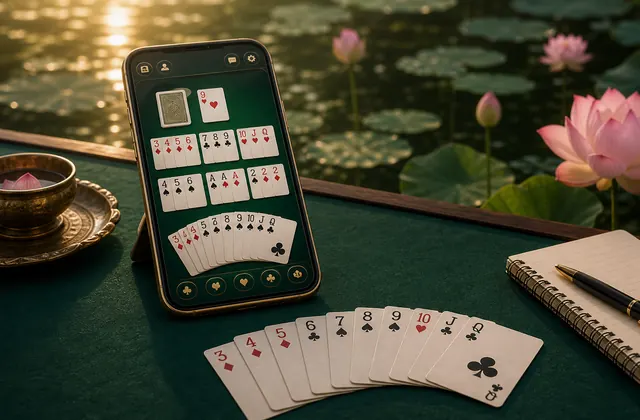
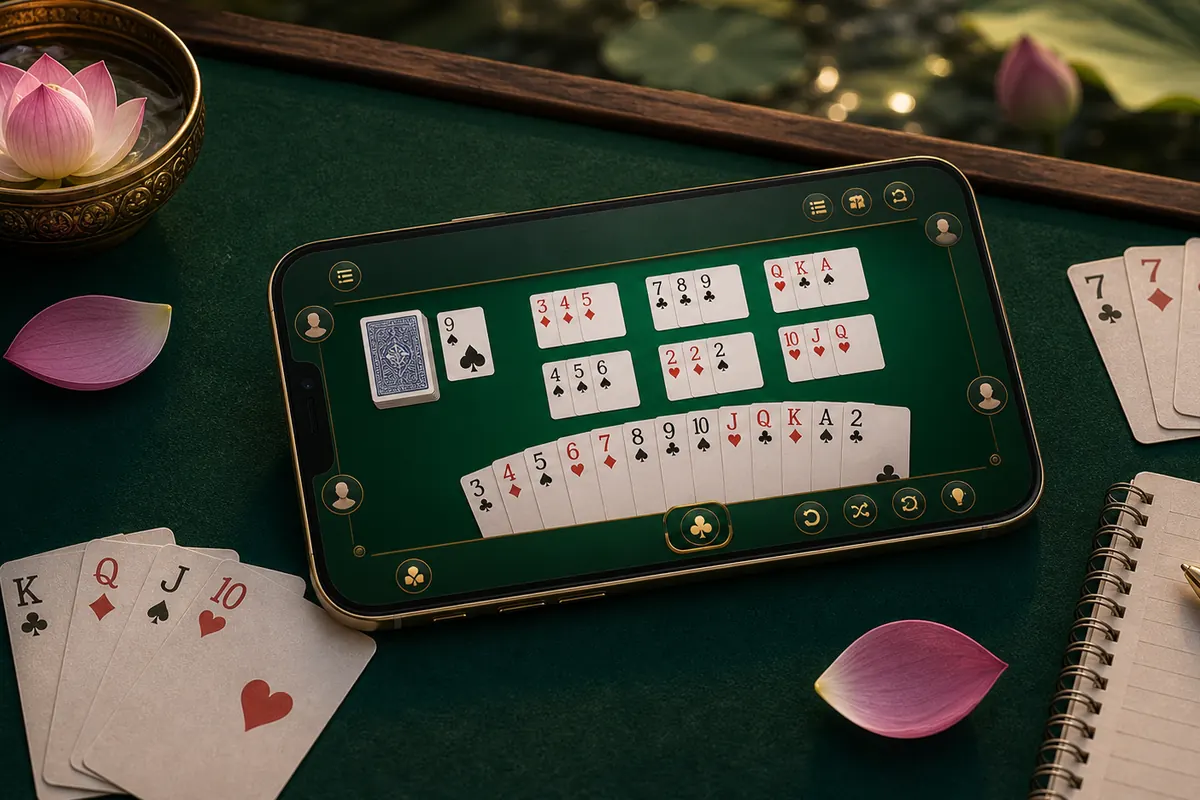
This page explains the Hindi/Hinglish wording behind the basic Yono Rummy rule path: sort 13 cards, make a pure sequence, complete valid groups, then declare only when the hand is ready.
Short answer: Yono Rummy niyam means the simple 13-card Indian Rummy flow: arrange cards by suit and rank, keep at least one pure sequence, use jokers only where allowed, reduce loose cards, and tap declare after checking every group.

Basic niyam in plain words
Start by sorting all 13 cards. A clean hand normally needs a pure sequence first, then a second sequence or valid sets. A sequence follows rank order in one suit; a set uses the same rank across different suits. Loose cards add risk because the declare screen can reject an incomplete hand.
Joker cards help complete impure sequences or sets, but they should not replace the pure sequence requirement. When the app shows a sort, group, discard or declare button, treat it as a practice aid rather than proof that the hand is valid.
Hindi and Hinglish terms
Same suit cards in rank order, such as 5-6-7 of hearts.
Three or four cards of the same rank, usually different suits.
Only use declare after checking pure sequence, second group and loose cards.
Boundary before practice
YonoGameGuide is an independent learning wiki. It is not State Bank of India, not YONO SBI banking, and not a cash-out or income service. If any app asks for OTP, bank account, UPI detail or deposit before a simple practice table, stop and verify through official channels.
Quick FAQ
Does this Hindi guide change the rummy rules?
No. It only explains common Hindi and Hinglish labels for the same 13-card grouping flow.
Can a joker make the pure sequence?
No. Keep the pure sequence free of jokers unless the printed joker is naturally part of that suit and rank order.
Is this page connected to YONO SBI?
No. It is a card-game learning page and has no SBI banking affiliation.
 Open learning guide