Sorting guide
Sort 13 cards in Yono Rummy
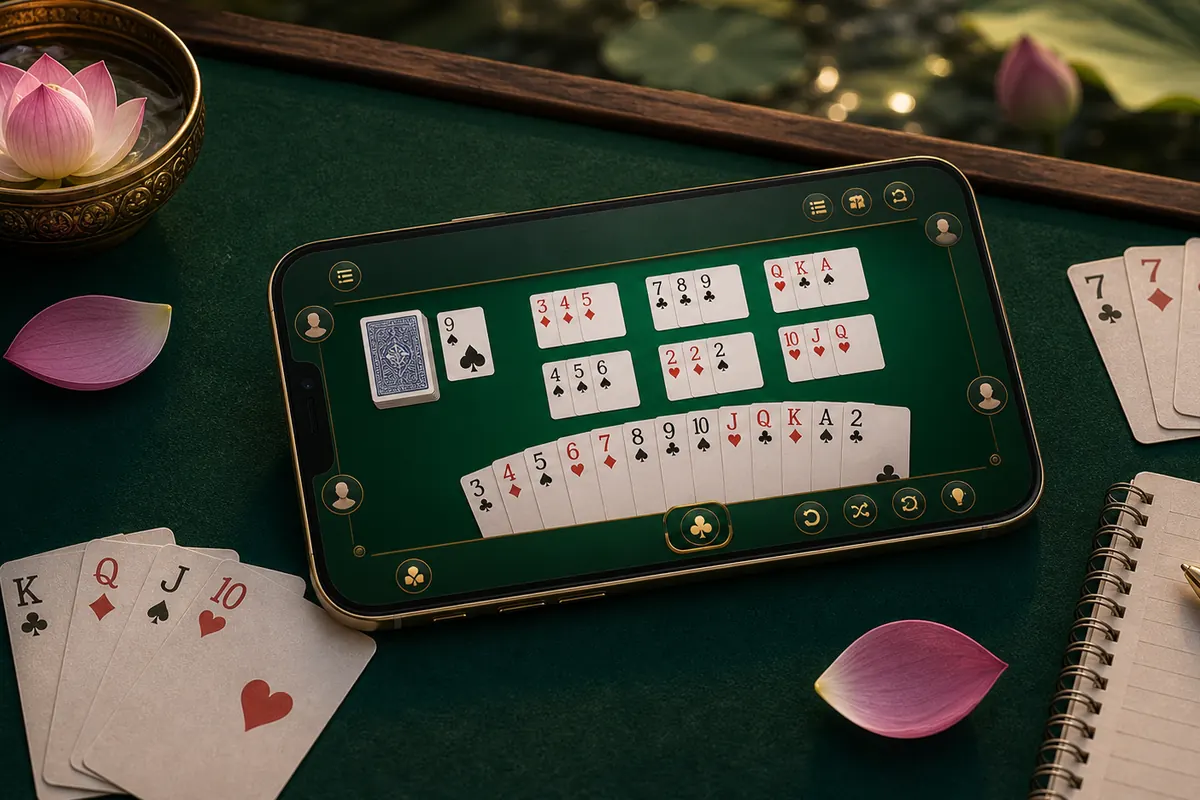
Use sorting as a learning step, not as an automatic win signal. The goal is to see possible pure sequences, joker-supported groups, deadwood cards and the safest discard before you declare.
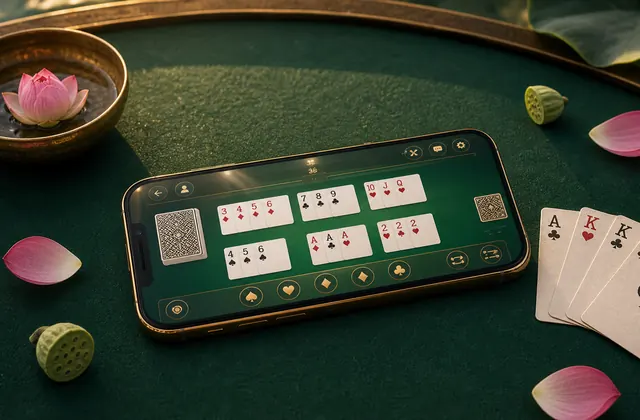
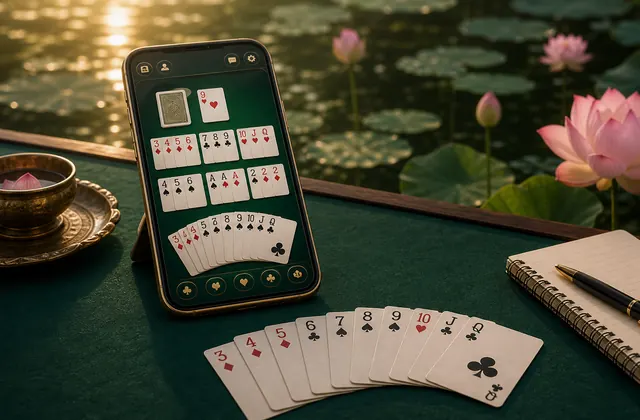
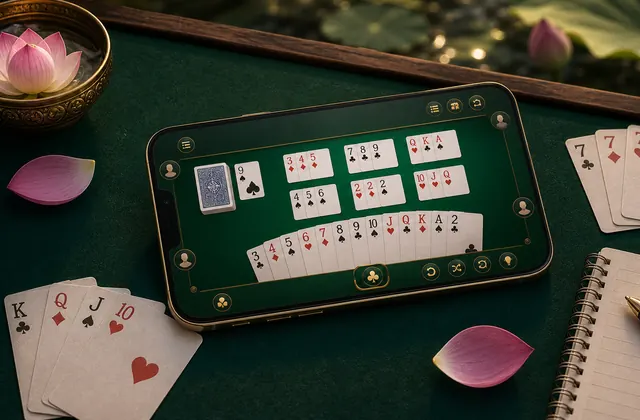
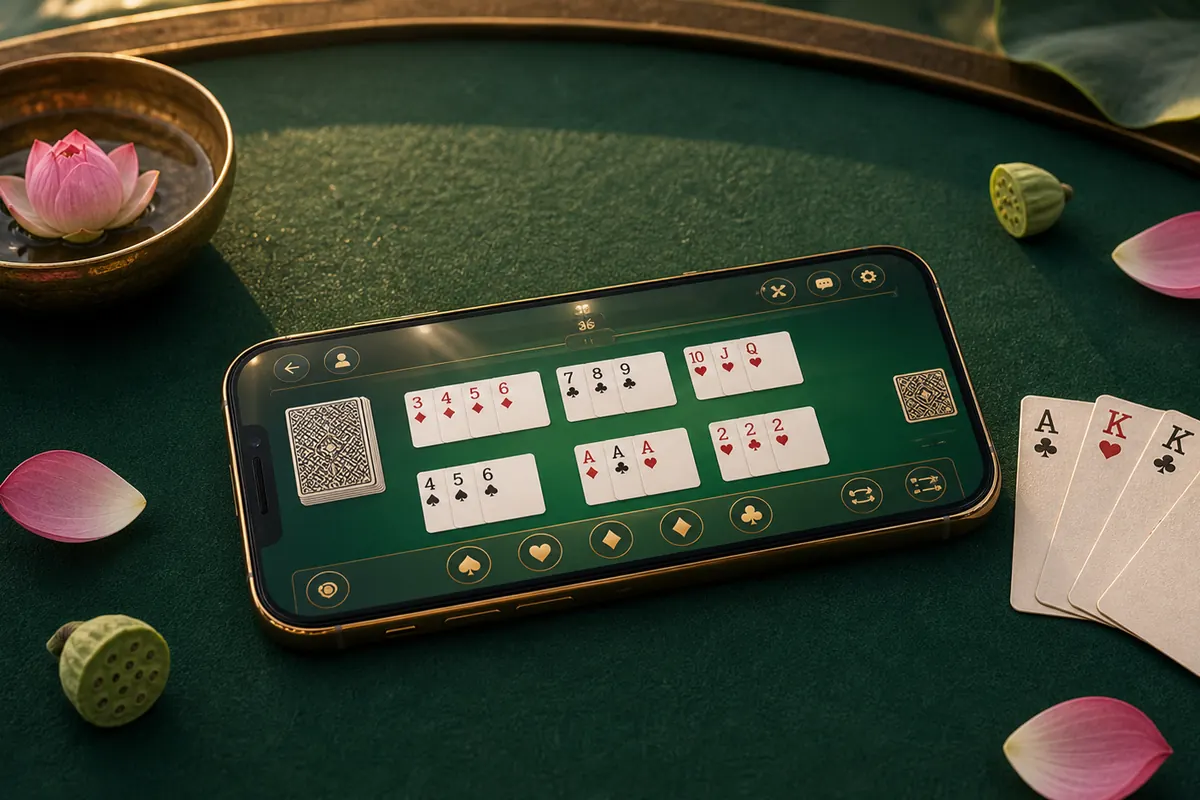
Short answer: To sort 13 cards, first group by suit, then scan for consecutive ranks, protect one pure sequence, move jokers into incomplete groups, and keep unmatched cards visible so the discard choice is clear.
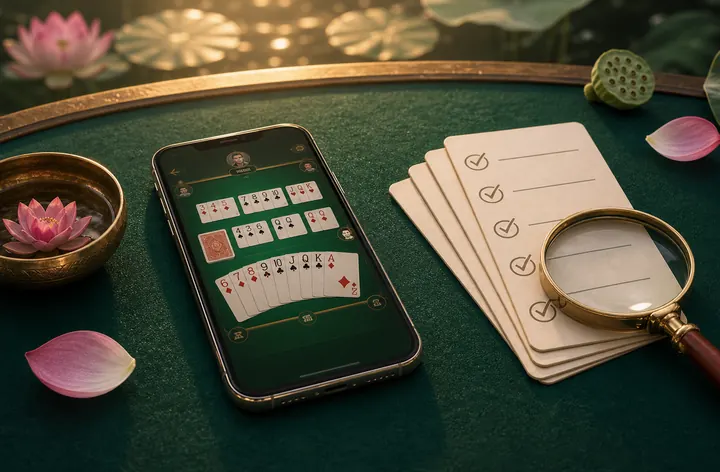
Five-step sorting flow
- Place all 13 cards into suit groups so matching colors and symbols are easy to compare.
- Look for a pure sequence first, such as 4-5-6 in one suit without a joker substitute.
- Use jokers for impure sequences or sets only after the pure sequence is protected.
- Separate deadwood or loose cards so the discard option does not hide inside a mixed group.
- Before tapping declare, count every card once and confirm that no group depends on an invalid wrap.
Common Hindi labels
A helper action that orders cards, but still needs manual checking.
Cards that form a sequence or set, not a random pile.
The card you release after draw, usually a loose or low-value card.
Safe practice note
This guide is for free casual card learning. It does not verify deposits, withdrawals, guaranteed winnings, bank login or SBI affiliation. If an app screen mixes card sorting with payment or banking requests, stop and check the official source before continuing.
Quick FAQ
Does sorting make my hand valid?
No. Sorting only makes possible groups easier to see; you still need a valid pure sequence and complete melds.
Should I always discard the highest loose card?
Not always. Check whether that card can complete a sequence or set on the next draw before discarding.
Is this YONO SBI banking advice?
No. This is a Yono Rummy card-learning note, not banking guidance.
 Open learning guide